

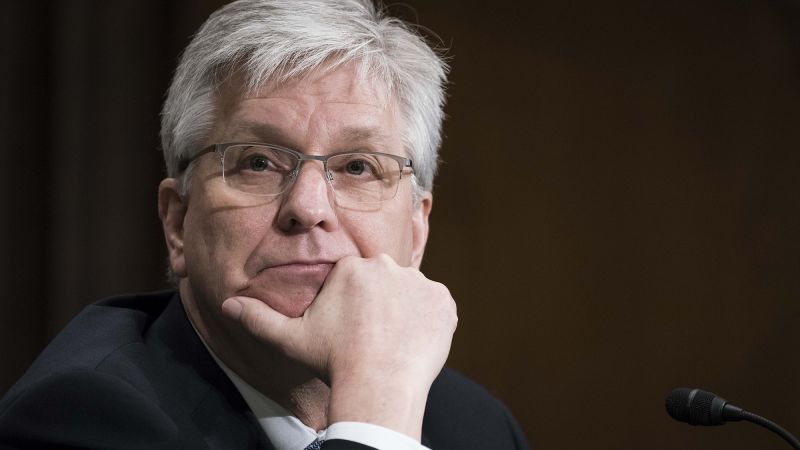
Fed Governor Christopher Waller Advocates for Immediate Rate Reduction to Safeguard Labor Market, Despite Strong Economic Indicators
The debate within the Federal Reserve intensifies as Governor Christopher Waller pushes for an interest rate cut at the upcoming July policy meeting. Despite recent data underscoring the ongoing robustness of the US economy, Waller argues for a proactive approach to sustain employment levels. He suggests a 25 basis point reduction, emphasizing that with inflation close to targets and risks limited, immediate action is preferable to waiting for labor market deterioration.
Waller’s recommendation contrasts with the cautious stance of many central bankers who prefer a patient approach, largely due to uncertainties surrounding Trump’s tariffs and their impact on inflation. As futures markets indicate minimal chances for a July rate cut, Fed Governor Adriana Kugler supports maintaining current rates, citing inflationary pressures from tariffs and stable employment metrics.
The US labor market showed resilience in June with the addition of 147,000 jobs and a slight drop in unemployment to 4.1%, surpassing economist predictions. However, Waller perceives potential vulnerabilities, advocating for a focus on core inflation trends which align closely with the Fed’s 2% target.
Despite signs of economic strength, including robust retail sales and a rebound in inflation, Waller remains firm on his call for rate cuts. He is not alone; Fed Vice Chair for Supervision Michelle Bowman previously supported rate cuts, although recent data indicating continued consumer spending and hiring have tempered such calls.
Most Fed officials and economists argue that current economic indicators do not necessitate immediate intervention through rate cuts. The Fed’s cautious stance, partly influenced by expectations of inflationary pressures from tariffs, clashes with President Trump, who has persistently criticized the Fed for maintaining steady rates. Trump and his advisors are exploring legal avenues to replace Fed Chair Jerome Powell, leveraging ongoing renovations as potential leverage.
